The Benefits of Cage-Free Sourcing
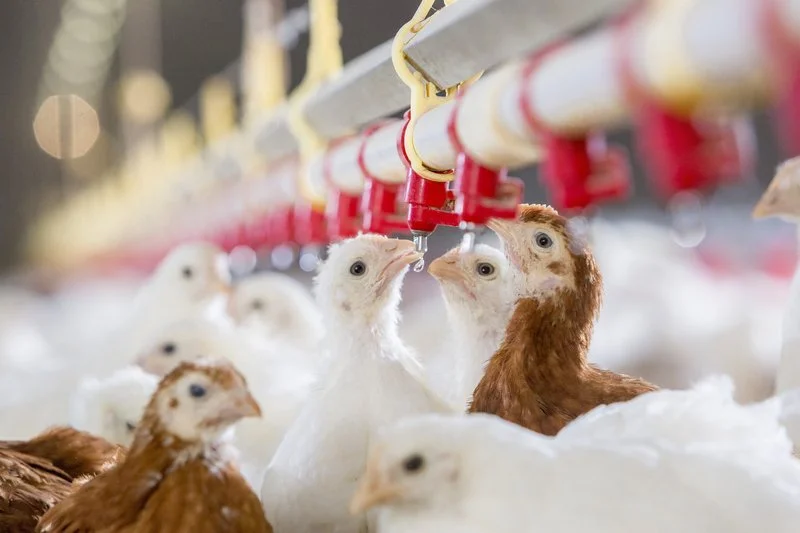
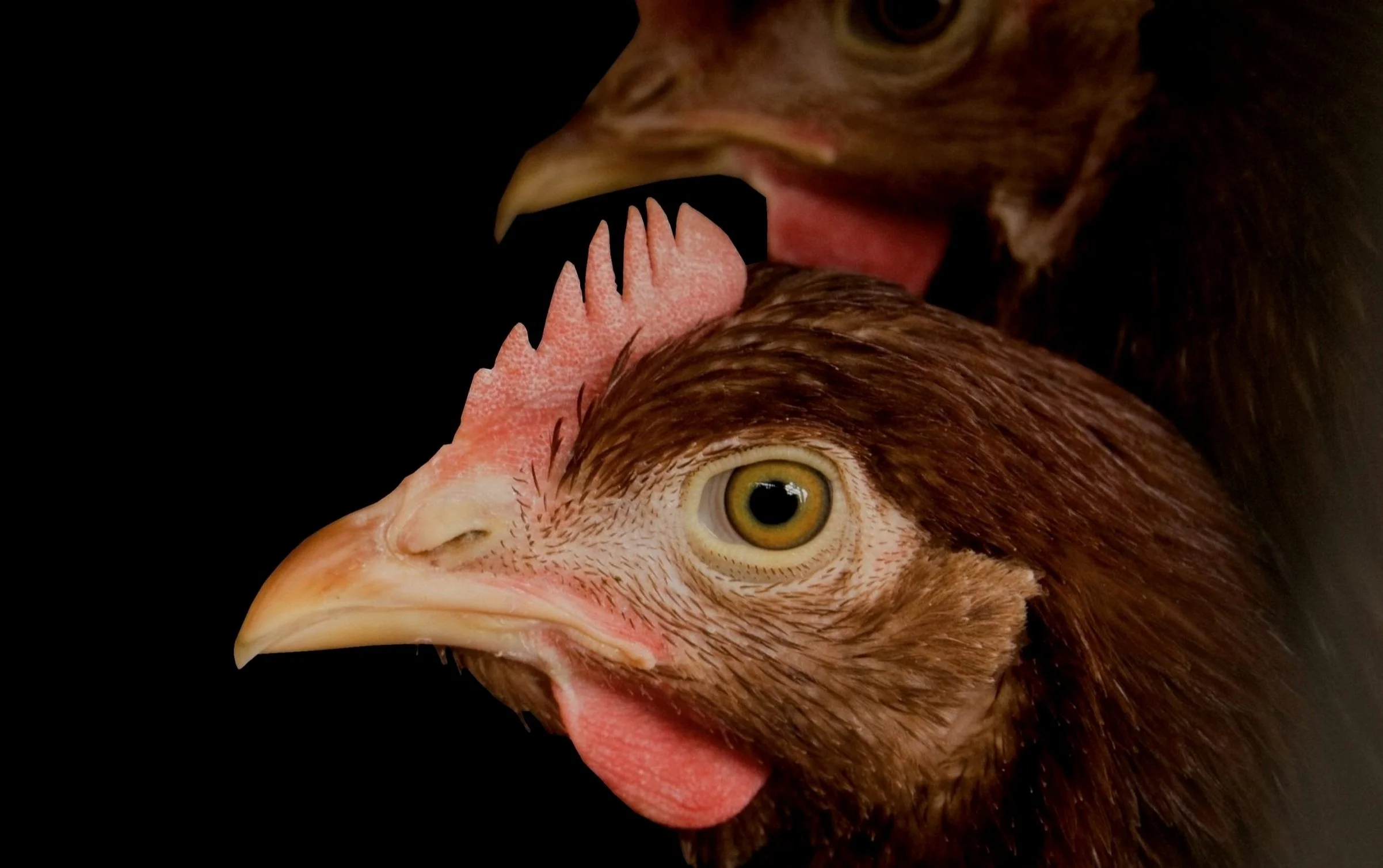
Today’s consumers expect more—from their food and from the companies they trust. The shift to cage-free eggs is driven by strong public demand, tangible food safety benefits, and a growing expectation for corporate responsibility.
Consumers are demanding better
Recent research makes it clear: concern for animal welfare isn’t a niche issue—it’s mainstream.
Over three-quarters of US adults are concerned about the treatment of animals raised for food, according to Lake Research Partners.
In 2023, the United Egg Producers and FMI found that 79% of consumers would support their retailer pledging to go 100% cage-free.
A 2022 survey showed 80% of US consumers would support a state-level ban on cages for farm animals.
In response to consumer demand, thousands of food companies—and entire countries and ten US states—have already moved to ban cages for egg-laying hens.

Food Safety Starts on the Farm
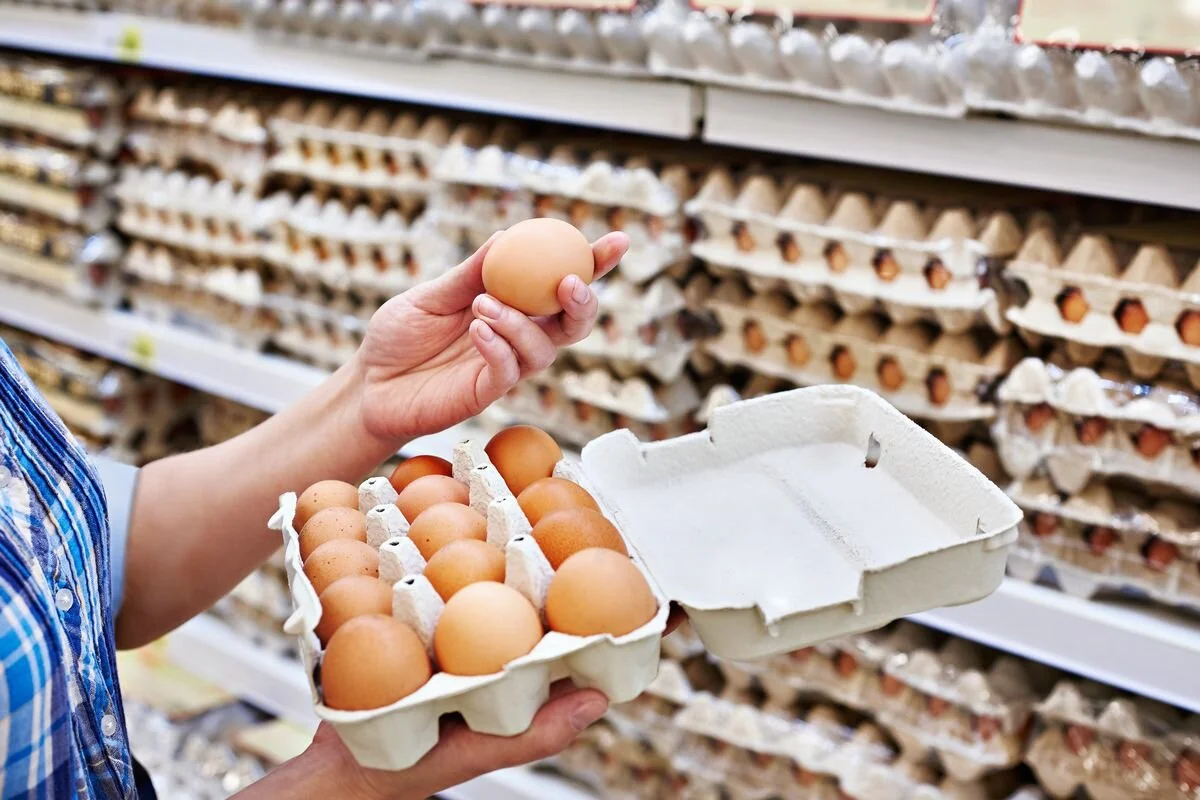
Research shows that eggs from hens kept in cages carry a significantly higher risk of salmonella. The largest study to date found that battery cage farms are 25 times more likely to be contaminated with salmonella compared to cage-free egg farms. Cage-free production isn’t just better for birds—it’s safer for customers.
Animal Welfare Matters
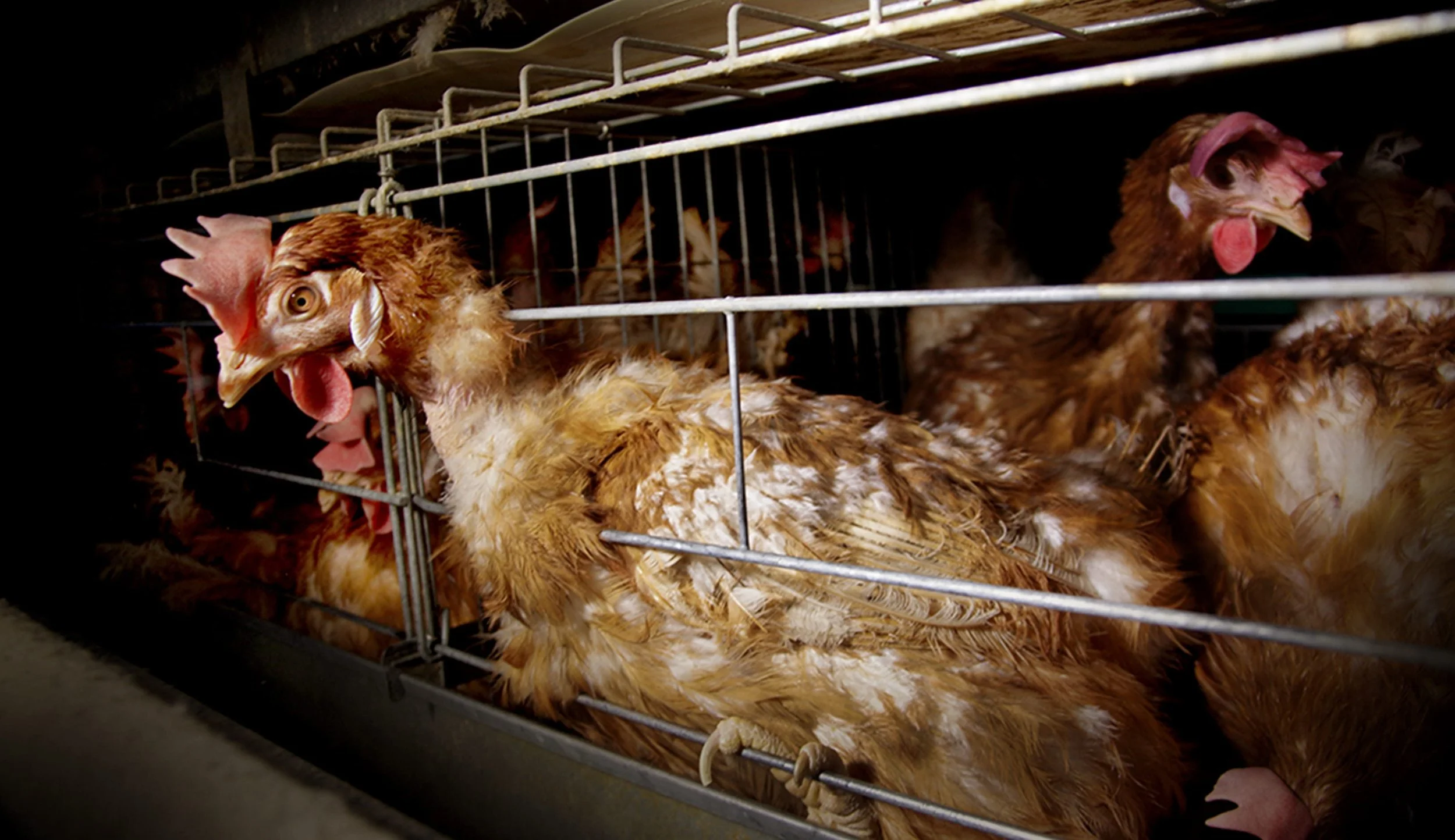
Caged hens spend their lives in barren, cramped spaces—often no larger than an iPad—unable to stretch, walk, or engage in natural behaviors like foraging and dust-bathing. This extreme confinement causes physical injury and illness like osteoporosis and paralysis, as well as psychological distress. Battery cages and similar systems simply don’t meet accepted animal welfare standards, including the Five Freedoms framework.
Responsible Sourcing Builds Trust
Today’s marketplace rewards transparency and ethical commitments.Leading food companies are adopting responsible sourcing policies and reporting progress toward animal welfare and sustainability goals—not just to meet consumer demand, but to reduce risk and build trust.
Mintel’s recent Food & Drink Trends report predicts that “consumers will expect more transparency about a brand’s climate friendly and ethical commitments. Brands that miss targets or have low ratings can earn trust with honest admissions and transparent plans for improvement. Going forward, companies will be expected to provide updates on progress related to long-term or transitional policies.”
Investors and analysts increasingly warn that failure to address animal welfare may result in material, reputational, and legal risks. A study by McKinsey & Company revealed a “clear and material link” between ESG-related claims like “cage-free” and consumer spending. The study concluded, “Creating such products turns out to be not just a moral imperative but also a solid business decision.”